What is Breathwork? A Beginner's Guide
Why Breath Matters?
We take around 20,000 breaths a day! That’s roughly 11,000 litres of air moving through the body. And yet, most of the time, we don’t really notice how we’re breathing. The way we breathe has a direct effect on how we feel.
Posture also plays a role. When we spend long periods sitting, slightly hunched or collapsed forward, it can reduce the space available for the lungs to expand, sometimes by up to around 30%!
We also lose moisture through breathing, which is something we don’t often think about. Over time, especially with faster or shallower breathing, this can add up, which is why staying hydrated can support both the body and the breath.
None of this is something to fix or judge, just something to become a little more aware of as you begin to explore your breathing.
Fast, shallow breathing is often linked to stress and slow, steady breathing can help the body shift into a calmer state. This is because the breath is closely connected to the nervous system.
When we slow the breath down, especially on the exhale, we begin to signal to the body that it’s safe to relax, even small changes in the way we breathe can have a noticeable impact.
And this is where something called the vagus nerve comes in.....
Vagus Nerve - your body’s calm switch
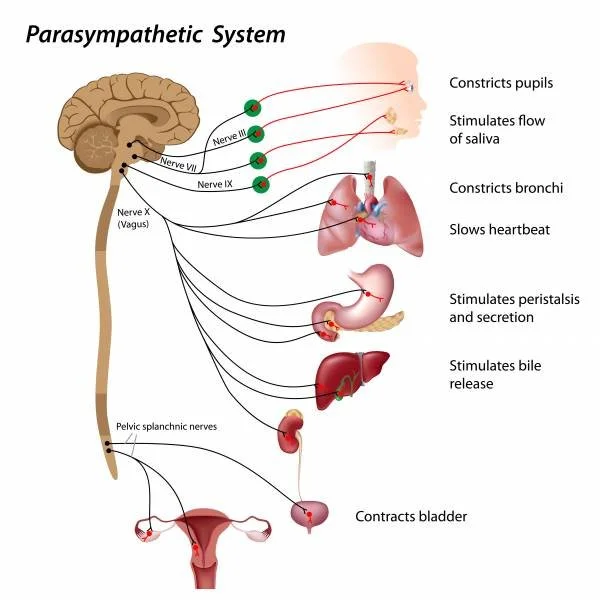
The longest nerve in the body!
The Vagus nerve is a part of your nervous system and plays a key role in helping your body to shift out of stress and into a state of rest, digest and restore.
How does it work?
To put it simply, slow, controlled breathing stimulates the vagus nerve that then sends a signal to the body for you to shift into rest and digest mode.
Benefits include, reducing stress and anxiety, it supports heart rate variabillity, aids digestion, improves your mood and mental clarity and supports better sleep.
Even a few minutes of slow, mindful breathing can make a big difference! Remember, your breath is always with you!
What’s pranayama?
Pranayama is the practice of working with the breath and the energy it carries.
In yoga, this energy, prana, is said to move through channels called nadis, including Ida and Pingala.
Yama stands for control, controlling or restraining the breath. However, the other interpretation is to break the word pranayama to pran and ayama - expansion, expansion of this vital force.
Through pranayama, we begin to bring balance to these energies using the breath.
When prana accumulates in the body and becomes stagnant, it can create imbalance and, over time, may contribute to illness or discomfort Through practices such as asana and pranayama, we begin to influence this energy, encouraging it to move more freely. Rather than forcing anything, these practices help restore a sense of flow and balance within the body and mind.
Try this simple practice
Never tried pranayama before? It is simpler than you think!
Sama Vritti Pranayama (Equal Breathing)
This practice invites balance into the breath by keeping the inhale and exhale the same length.
How to practise
Find a comfortable position, sitting or lying down.
Allow your breath to settle naturally
Then begin to gently guide the breath:
Inhale through the nose for a count of 4
Exhale through the nose for a count of 4
Practise for around 10-15 mins to feel the benefits
Benefits
Helps reduce stress and anxiety
Improves focus and mental clarity
Encourages fuller, more conscious breathing over time
Brining it into the daily life
A few gentle reminders
Throughout the day, begin to notice:
How you’re breathing
Whether it feels fast or shallow
If you’re breathing through the mouth or the nose. Gently return to the nasal breathing and allow for the breath to slow down.
Supporting your breath
Sit a little more upright to give the lungs space
Take small pauses between tasks
Stay hydrated throughout the day
Working with me
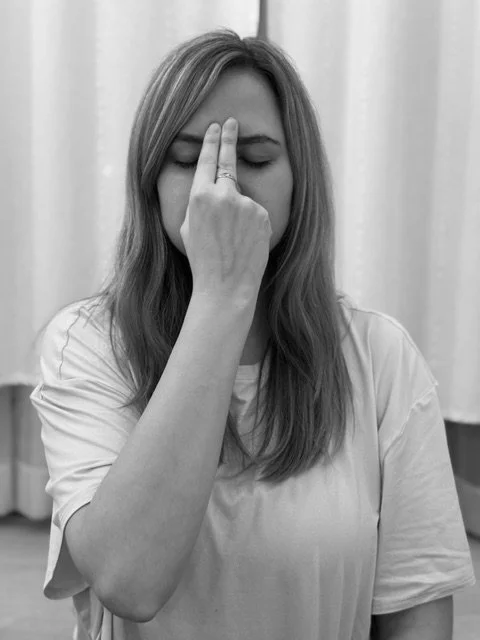
If you’d like to explore this more deeply beyond this article I offer seasonal breathwork workshops and 1:1 sessions tailored to you.
Together, we can look at what you need right now, whether that’s improving sleep, reducing anxiety, or finding a way to feel more steady day to day.
These sessions may support nervous system regulation during periods of stress, grief,
burnout or hormonal change, while also helping you build a sustainable pranayama practice.
If this feels like something you’re ready for feel free to reach out using the form below.
Join my newsletter to be kept posted about new classes and workshops!
